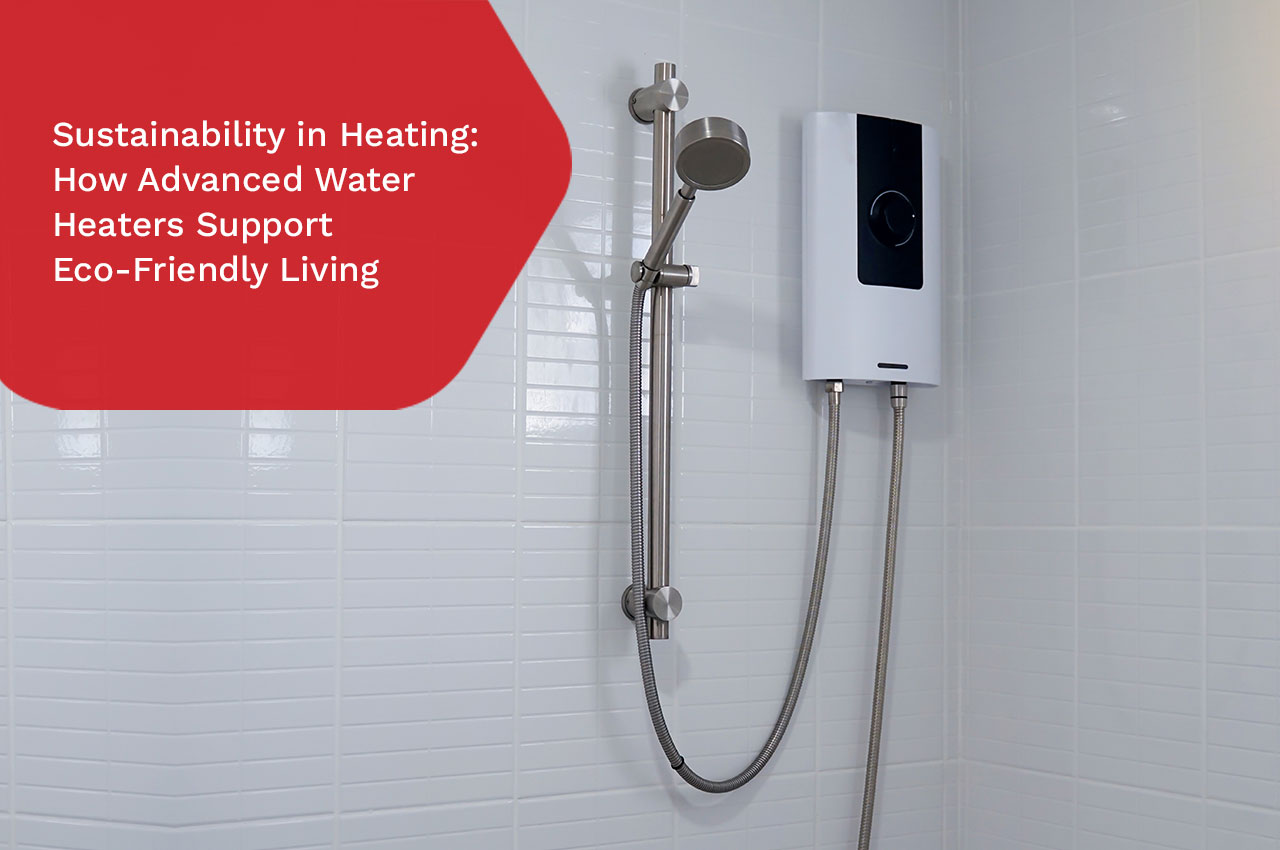
Sustainability in Heating: How Advanced Water Heaters Support Eco-Friendly Living
Heating water is one of the most basic components of our daily lives. Traditional hot water heating solutions generally require large quantities of energy. Modern-day water heaters provide improved overall efficiencies when compared to their traditional solutions. They are beneficial due to the advancement in technology and promote a greener lifestyle. The primary benefit of using these advanced and energy-efficient water heaters is to reduce both energy consumption and costs associated with these products.
How Advanced Water Heaters Reduce Energy Consumption?
One major advantage of the use of upgraded models of electric water heaters is that they are significantly more energy efficient than traditional electric water heaters. Traditional water heater models keep large volumes of water hot all day long, resulting in additional energy consumption.
However, advanced-type water heating systems utilise new types of technology to heat water just when you need it. For example, a tankless heater heats water on demand, so it does not create standby heat loss. Tankless-style water heating systems are 30% more energy efficient than traditional storage-style heaters.
Another major advancement for energy-efficient water heating solutions is the introduction of smart thermostats and control systems. These systems provide users with the ability to set specific temperatures and schedule heating cycles. Thus, smart water heating systems only heat the water they need while users are active and save unnecessary energy use.
Heat pumps represent a new technology for heating water. Unlike electric resistance heaters, which use electricity to create heat directly in the water itself, heat pumps utilise outside air as their source of energy. As a result, heat pumps require much less electricity to operate than conventional electric geysers and can save as much as 70% more electricity than typical electric geysers.
Among all household energy uses, hot water heating represents about 18 percent of total residential energy usage. Therefore, it represents an enormous opportunity to lower total energy consumption at home through efficient appliance adjustments and heating technology innovations.
Companies like LS Electricals and other solution providers are becoming more and more focused on creating products that meet or exceed energy efficiency benchmarks as well as support sustainable heating initiatives.
What Are the Benefits of Energy-Efficient Water Heaters?
Energy-efficient water heaters provide many advantages to both homes and the environment beyond just decreasing the amount of energy consumed.
- Lower Energy Bills and Cost Savings
When using an energy-efficient water heater, it is common for a homeowner to experience an immediate reduction in their electric costs. The newest water heating technology has been shown to cut energy consumption to 10%-50% of what it would have consumed.
- Reduced Environmental Impact
The less energy you use, the less greenhouse gas you create. Most traditional hot water heaters create large amounts of carbon dioxide when they operate. The development of more efficient heaters has resulted in less environmental damage.
- Improved efficiency and comfort
Modern-day heaters produce hot water with more consistency than older models of water heaters. The advanced controls allow for better temperature regulation, providing hot water much faster and more consistently. Modern water heating solutions contain features such as remote monitoring capabilities, digital displays, and programmable settings. Not only do these features provide an improved user experience, but they also contribute to reducing the amount of energy consumed.
- Longer Lifespan and Lower Maintenance
Many of the advanced systems today have been developed to be long-lasting. Tankless and heat pump water heating products typically last longer than standard tank-type products and therefore provide the possibility of saving replacement costs. Fewer repairs and less frequent maintenance will also lower the amount of raw materials and waste associated with the production and disposal of old water heater units.
- Support for Renewable Energy Integration
The development of higher-efficiency water heating technologies can complement renewable energy systems. Heat pump systems that incorporate solar PV systems are one example of this. Solar-assisted heaters use solar energy directly to heat water, which reduces dependence on grid electricity or fossil fuels.
During times when there is solar energy available, there is no cost associated with utilising solar energy to heat water, thus providing a very high efficiency and sustainability out of the way of conventional water heating solutions.
Final Thoughts
Selecting a high-efficiency water heater today is not just about saving money. It is also about being environmentally responsible and making an effort to lead an eco-friendly lifestyle. Modern water heating solutions are more energy efficient due to the introduction of advanced control systems, superior methods for transferring heat through the use of technology, and reduced wasted energy.
They will provide you with lower electricity bills, fewer carbon dioxide (CO₂) emissions, and hot water that is constantly available when you need it. By purchasing these products, you will not only help your wallet but also have an opportunity to support global initiatives for protecting our environment and conserving energy in a responsible manner.
FAQs
Q. How do water heaters contribute to environmental sustainability?
A. Water heating accounts for a large share of household energy use. Switching to advanced water heating solutions reduces energy demand and greenhouse gas emissions, helping lower the overall environmental impact.
Q. How long do energy-efficient water heaters typically last?
A. Advanced water heaters often have a longer lifespan than conventional systems due to better design and materials. This reduces replacement frequency and supports sustainable resource use.
Q. Do energy-efficient water heaters really lower electricity bills?
A. Yes, by consuming less power or fuel, energy-efficient water heaters significantly reduce monthly energy costs. Although the initial cost may be higher, long-term savings make them a cost-effective solution.
Q. Are energy-efficient water heaters suitable for all types of homes?
A. Yes, modern water heaters come in various sizes and technologies to suit apartments, villas, or commercial spaces. Companies like LS Electricals offer a range of efficient options to meet different household requirements.
Q. Are advanced water heaters easy to maintain?
A. Modern water heaters often require minimal maintenance compared to older models. Features like corrosion-resistant tanks, self-cleaning functions, and high-quality insulation make them reliable and long-lasting.
 Brands





 Applications


 Recent Posts