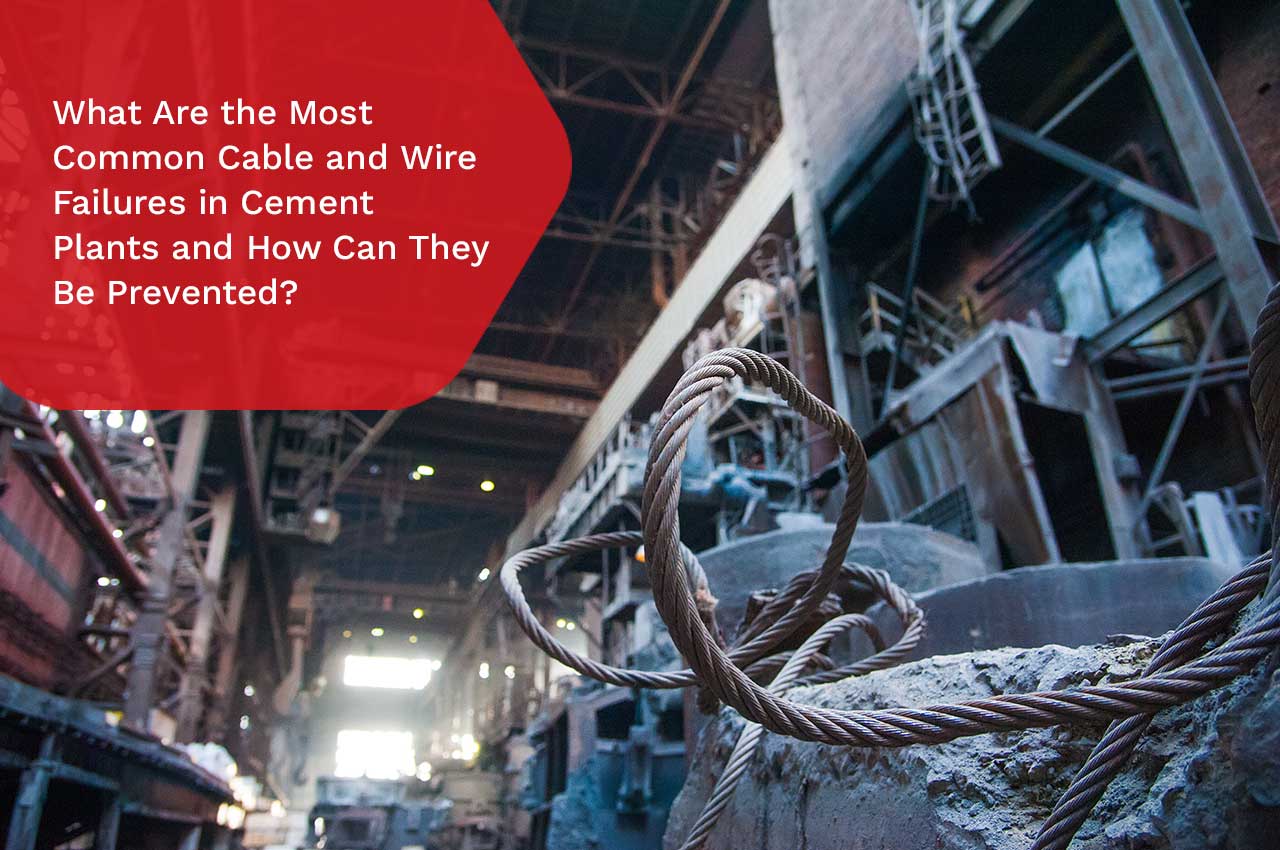
What Are the Most Common Cable and Wire Failures in Cement Plants and How Can They Be Prevented?
Cement plants operate in extremely demanding environments. High temperatures near kilns, continuous heavy motor loads, dense cement dust, constant vibration and moisture exposure create severe stress on electrical systems.
Because these facilities run 24/7, even a small electrical fault can disrupt production and lead to costly downtime. Cables, terminations and switchgear components are especially vulnerable under such harsh conditions.
The most common types of cable and electrical failures in cement plants include:
- Insulation failure due to prolonged heat exposure
- Cable overheating from continuous heavy loads
- Dust ingress causing short circuits and tracking
- Mechanical damage from vibration and abrasion
- Loose terminations leading to hotspots and arcing
- Moisture and corrosion affecting terminals and conductors
- Switchgear and panel failures due to dust buildup and heat
What Role Does Moisture Play in Cable and Wire Failures?
Moisture is one of the reasons for the failure mechanisms in wires and cables. Electrical systems in cement plants can experience some degree of moisture intrusion from humidity, through water washdowns and due to underground installations, or from damaged insulation. When moisture penetrates a cable, the performance begins to degrade.
One way moisture decreases insulation performance is that when it gets into the insulating material, it will reduce its insulation resistance. It thereby produces leakage current and increases the chance of a short circuit. Over time, the insulating material will become weaker and more brittle, thus allowing even small cracks to provide more moisture for intrusion, thereby accelerating the failure of the cable.
Conductors will also corrode from moisture. When exposed to moisture, copper and aluminum will be oxidised. The resulting oxide creates high resistance that increases heat and reduces current flow. Eventually, conductors can fail internally while still looking good on the outside.
Moisture issues are generally more pronounced at the joints and terminations of high-voltage cables because water can gather where two cables are connected due to improper sealing. When water gathers at a joint or termination, partial discharge, excessive heat, and premature failure can result from operating the cable in this condition.
To prevent moisture damage to cables, the correct wires and cables selection should be made, moisture-resistant insulation applied, quality sealed joints/connectors and rated sheathing used, and the cables should be installed properly. Poorly sealed joints/connectors, loose connections, damaged jacket, and improper routing will increase the potential for moisture ingress.
Why Is Cement Dust Harmful to Cable and Wire Systems?
In cement factories, dust is unavoidable. Cement dust is an abrasive and penetrative material. Over time, dust creates significant damage to wires and cable systems.
Mechanical abrasion is an important issue caused due to cement dust. The dust settles on the cable surfaces, moving with different vibrations from the machine. The constant friction will wear away the outer jackets and insulations. As the protective layers wear away, the cable cannot be protected from water or mechanical damage.
The accumulation of dust can also occur inside a junction box, a control panel, and at cable termination points. Dust is conductive when humidity is present, which provides a leakage path between conductors and increases the possibility of short circuits.
Another potential risk is heat dissipation. Dust may accumulate on wires and cables, forming an insulating layer, trapping heat against wires and cables, and thereby interfering with their ability to cool properly. High temperatures increase the rate at which insulation deteriorates and decreases the lifespan of wires and cables.
To prevent failures due to dust, it is essential to design systems that are robust, use dust-proof enclosures and provide sealed electrical connections to minimise contamination to the maximum extent possible.
Final Thoughts
Electrical systems at cement manufacturing plants have to be dependable. The materials that can cause the most damage to the wires and cables in a cement plant are moisture and cement dust. Moisture has a negative effect on insulation and corrode conductors. The effect of cement dust is to wear down surfaces, trap heat and provide a pathway for conductivity. These two things working in conjunction significantly reduce the life of cables.
Awareness, correct product selection and disciplined maintenance are key to preventing failures. By selecting the proper wires and cables, making sure that they are properly sealed and controlling the exposure of the wire and cable to the environment, the number of breakdowns can be greatly reduced.
FAQs
Q. Why do wires and cables fail frequently in cement plants?
A. Cement plants expose wires and cables to moisture, cement dust, heat, vibration, and mechanical stress, accelerating insulation damage and electrical failures.
Q. Can poor installation cause wires and cables failure?
A. Yes. Incorrect bending, damaged insulation, poor sealing, and loose terminations significantly reduce the lifespan of wires and cables.
Q. How can moisture-related cable failures be prevented?
A. Use moisture-resistant cables, sealed joints, proper routing, and regular inspections to prevent water ingress and insulation degradation.
Q. How often should wires and cables be inspected in cement plants?
A. Regular inspections should be conducted to detect dust buildup, moisture ingress, insulation wear, and loose connections before major failures occur.
Q. How does cement dust impact cable heating?
A. Dust buildup prevents heat dissipation, raising operating temperatures and accelerating insulation aging in wires and cables.
Q. What are the early warning signs of cable failure?
A. Frequent tripping, overheating, insulation cracks, voltage drops, and intermittent faults indicate potential problems in wires and cables.


 Brands





 Applications


 Recent Posts