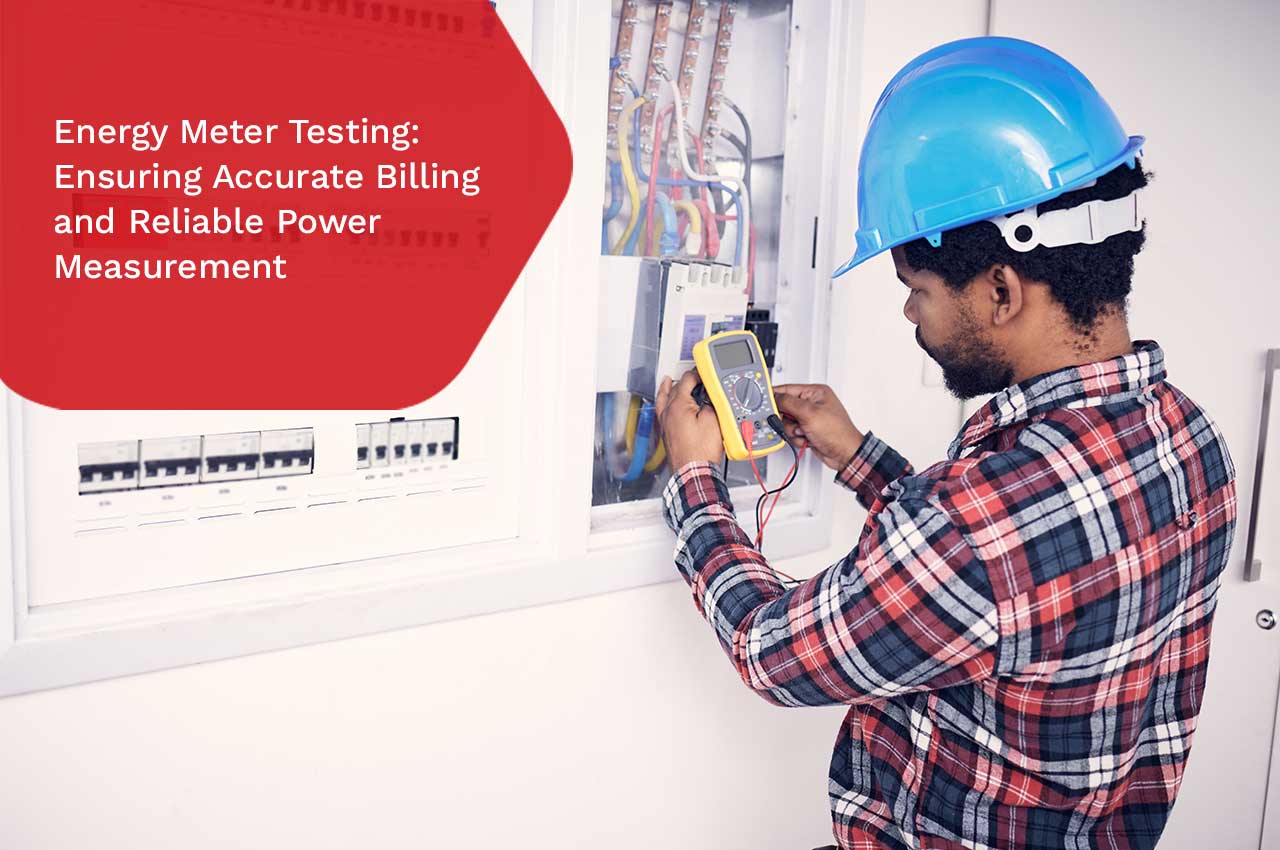
Energy Meter Testing: Ensuring Accurate Billing and Reliable Power Measurement
In today’s energy-driven world, accuracy is everything. From residential consumers to large industrial operations, the reliability of power measurement directly impacts billing, operational efficiency and trust. Therefore, proper testing of energy meters is essential, as even small errors can lead to significant long-term revenue losses.
With the growing demand for electricity and increasingly complex power systems, ensuring that energy meters function with precision is no longer optional. Instead, it’s a necessity.
This blog explores the fundamentals, importance, and benefits of energy meter testing, along with how a professional service provider like LS Electricals helps maintain accuracy and compliance.
What is Energy Meter Testing?
Electricity consumption for households and businesses is typically measured in kilowatt-hours (kWh). To ensure accurate billing and reliable performance, electricity meters must undergo rigorous energy meter testing.
As electric meters experience normal degradation and become impacted by environmental factors and electrical interference, they may drift from their original calibration.
The comparison of the output of a tested electric meter against a known accurate reference is what informs an electric meter’s accuracy testing process.
There are several types of energy meters that require testing:
- Electromechanical meters (older analogue systems)
- Static or digital meters
- Smart meters with advanced communication features
Testing of electric meters can be conducted in laboratories and on-site using modern automated devices. This allows technicians to apply and evaluate meter performance at varying load conditions and evaluate meter performance at various voltage levels to confirm that tested meters perform accurately according to standards established by the Authority Having Jurisdiction (AHJ).
Once testing has been completed and discrepancies have been identified, electric meter calibration services correct and adjust affected electric meters back to accurate conditions. Calibration aligns the meter readings with standard measurements, ensuring consistent and reliable performance.
Why is Energy Meter Testing Important?
1. Guarantees Accurate Billing
The main reason for conducting tests on energy meters is to ensure accuracy in billing. It’s estimated that a minor error could lead to substantial revenue loss for utilities or overcharging for consumers.
For instance:
- A utility company with one million customers could experience millions of dollars in losses each year due to slight inaccuracies.
- Companies with high-energy use could potentially see inflated charges due to over-recording of their energy meter use.
By performing routine electrical meter accuracy tests, suppliers and consumers can ensure they are both fairly charged for using electricity, which contributes to transparency and trust.
2. Compliance with Industry Standards
All energy meters must comply with established national and international industry standards, including the IEC (International Electrotechnical Commission) and the BIS (Bureau of Indian Standards). Government bodies have established requirements for periodic testing and certification of energy meters based on meeting prescribed accuracy classes.
If a utility fails to comply, the utility can face the following:
1) Potential legal ramifications
2) Loss of certification
3. Possible interruption to operations
By having an electrical meter calibration, organisations are able to stay compliant with regulations by maintaining proper documentation and audit logs through professional and competent service providers.
4. Improvement in Energy Efficiency
Energy management relies on accurate measurement as its foundation. If the data being collected isn’t trustworthy, this makes it challenging to locate and eliminate inefficiencies or optimise energy consumption.
Based on many studies, most organisations can achieve a reduced energy consumption rate of between 5 and 15%, simply because they use accurate metering devices and processes coupled with monitoring. This provides organisations the ability to gain a greater understanding of how much energy is being consumed and what corrective actions need to occur.
Some of the reasons energy meter testing is needed are the following:
- Reliable consumption data is generated
- Energy audits are meaningful.
- Efficiency initiatives are effective.
5. Decrease in Revenue Loss and Theft
Inaccurate or tampered meters can lead to significant revenue leakage. The power sector globally loses billions each year due to energy theft and faulty metering.
Regular testing helps:
- Detect tampering or manipulation
- Identify faulty meters
- Prevent unauthorised usage
Utilities that adopt strict testing protocols have reported a reduction in non-technical losses by up to 20–30%.
6. Reliability Improvement of System
Energy meters are integral to the power distribution network. Faulty meters can lead to incorrect load data, affecting grid management and planning.
Accurate meters help the following:
- Maintain load balance
- Improve demand forecasting
- Ensure stable power distribution
This is particularly important in industrial setups where precise measurement is crucial for process optimisation and cost control.
Key Methods of Energy Meter Testing
Energy meter testing can be performed using various techniques depending on the type of meter and application:
- Phantom Load Testing
- Direct Load Testing
- On-Site Testing
- Laboratory Testing
How Often Should Energy Meters Be Tested?
The frequency of testing your energy meter can vary depending on what regulations apply to them and how they will be used. Generally speaking:
- Home – every 5 to 10 years
- Commercial – every 3 to 5 years
- Industrial – once or twice a year
High-load environments or critical applications may require more frequent testing to ensure consistent performance. To ensure these timelines are met with precision and compliance, partnering with experts like LS Electricals ensures reliable energy meter testing, accurate assessments, and certified calibration support for long-term efficiency.
FAQs
Q. What is Energy Meter Testing?
A. Energy Meter Testing verifies the accuracy of electricity meters by comparing readings with standard references, ensuring precise measurement and reliable billing.
Q. Why is Electrical meter accuracy testing necessary?
A. It prevents billing errors, detects faulty meters, and ensures fair energy charges for both utilities and consumers, maintaining transparency and trust.
Q. How often should energy meters be tested?
A. Residential meters every 5–10 years, commercial every 3–5 years, and industrial meters annually or bi-annually, depending on usage and regulations.
Q. What are Electrical meter calibration services?
A. These services adjust and correct inaccurate meters, aligning them with standard measurements to restore precision and ensure consistent performance.
Q. Can inaccurate meters cause financial losses?
A. Yes, even minor inaccuracies can lead to significant revenue losses for utilities or overcharging for consumers over time.
Q. How does Energy Meter Testing improve efficiency?
A. Accurate metering provides reliable data, enabling better energy monitoring, reducing wastage, and helping organisations improve efficiency by up to 15%.


 Brands


 Applications




 Recent Posts